






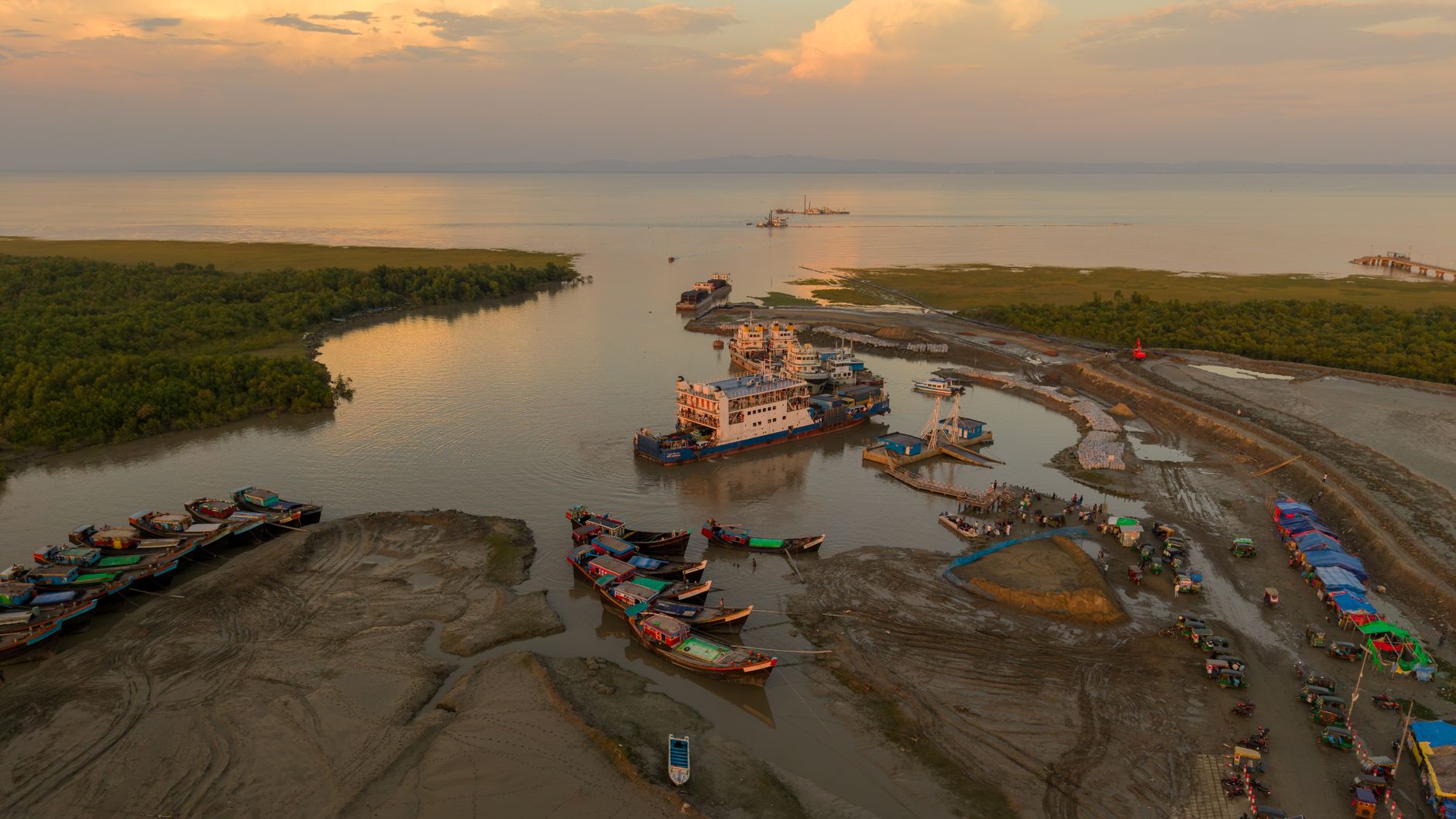
Mongla Port expansion is underway in Bangladesh, aimed at boosting the container capacity to better serve the logistics industry.
Overview of Mongla Port Expansion
The Mongla Port expansion project aims to significantly enhance the container handling capacity of Bangladesh’s second-largest seaport. This initiative is crucial for meeting the growing demands of international trade and improving the overall logistics infrastructure in the region.
The expansion is expected to involve several key developments:
- Increased Container Capacity: The project is designed to double the port’s container handling capability, facilitating larger volumes of goods and improving turnaround times.
- Modern Infrastructure: Upgrades to existing facilities will be implemented, including the construction of new terminals and improved loading and unloading equipment.
- Enhanced Connectivity: The expansion will bolster road and rail links to the port, enabling smoother transportation of goods to and from the hinterlands.
- Economic Growth: By attracting more shipping lines and cargo volumes, the Mongla Port expansion is set to contribute significantly to the local and national economy.
This strategic move reinforces Bangladesh’s commitment to enhancing its maritime capabilities and positions Mongla Port as a competitive player in the global shipping arena. Stakeholders are optimistic that these developments will lead to increased efficiency and sustainability in port operations.
Importance of Increased Container Capacity
The expansion of Mongla Port plays a crucial role in enhancing the overall logistics and trade efficiency of Bangladesh. As the second-largest seaport in the country, it is essential for accommodating the growing demand for container shipping. With increased container capacity, Mongla Port can alleviate congestion at other ports, such as Chittagong, and facilitate smoother supply chain operations.
Moreover, the expanded facilities will provide significant economic benefits, including:
- Boosting Trade: A larger container capacity will enable the port to handle more cargo, thereby improving trade volume with international partners.
- Creating Jobs: The expansion project is expected to generate employment opportunities in various sectors, from construction to logistics.
- Attracting Foreign Investment: Enhanced infrastructure will make Mongla Port more appealing to foreign investors, fostering economic growth and development.
- Improving Regional Connectivity: Increased capacity will strengthen trade routes, connecting Bangladesh more effectively with neighboring countries.
In essence, the Mongla Port expansion is a vital step towards modernizing the nation’s maritime infrastructure, ensuring that Bangladesh keeps pace with global shipping trends and meets the demands of its burgeoning economy.
Timeline for the Expansion Project
The timeline for the Mongla Port expansion project outlines several key phases that will facilitate the enhancement of container capacity. The expansion aims to be completed in multiple stages, ensuring that operations can continue smoothly while improvements are made.
Initially, a detailed feasibility study is set to commence in the first quarter of 2024. This study will assess the current infrastructure and outline necessary upgrades needed to accommodate increased shipping traffic.
Following the feasibility study, construction is expected to begin in the second quarter of 2025. This phase will focus on expanding the existing dock facilities and enhancing cargo handling equipment to improve efficiency.
- Phase 1: Feasibility study (Q1 2024)
- Phase 2: Construction starts (Q2 2025)
- Phase 3: Infrastructure upgrades (2026-2027)
- Phase 4: Final assessment and operational adjustments (2028)
By 2028, the Mongla Port expansion is projected to significantly boost container handling capacity, positioning the port as a key player in regional trade. This timeline illustrates a well-structured approach to upgrading one of Bangladesh’s crucial maritime assets.
Economic Impact on Bangladesh’s Logistics
The expansion of Mongla Port is poised to significantly enhance the logistics framework of Bangladesh. As the second-largest port in the country, its development will drive economic growth by improving shipping efficiency and reducing transit times for goods. This strategic move is expected to attract more international shipping lines, ultimately fostering trade relations.
With the growing demand for container shipping, the Mongla Port expansion aims to accommodate larger vessels and increase overall container capacity. This will not only ease congestion at the port but also enable quicker turnaround times for cargo deliveries. The economic impact can be broken down into several key areas:
- Job Creation: The project is expected to create thousands of direct and indirect jobs, boosting local employment opportunities.
- Increased Trade: Enhanced capacity will facilitate increased imports and exports, leading to a more robust economy.
- Investment Attraction: Improved logistics infrastructure will make Bangladesh a more attractive destination for foreign investors.
- Cost Reduction: Streamlined port operations will likely lower shipping costs, benefiting businesses and consumers alike.
In conclusion, the Mongla Port expansion represents a significant leap forward for Bangladesh’s logistics industry, promising a brighter economic future for the nation.
Challenges Facing Port Development
The expansion of Mongla Port is not without its challenges, which could impact the overall success of the project. One significant concern is the environmental impact that comes with large-scale development. Activities such as dredging and construction can disturb local ecosystems, potentially harming both marine life and the surrounding environment.
Additionally, infrastructure limitations pose a major hurdle. The existing road and rail networks may require substantial upgrades to handle the increased traffic and logistics demands anticipated from the Mongla Port expansion. Without these enhancements, the full benefits of improved container capacity may not be realized.
Another challenge is funding and investment. While government backing is crucial, attracting private investment remains a priority. Ensuring a stable return on investment will be critical in convincing stakeholders to support the project financially.
Moreover, there are concerns regarding regulatory hurdles. Navigating the legal and bureaucratic landscape can slow down progress, delaying crucial timelines for the Mongla Port expansion. Stakeholders must work collaboratively to streamline processes and mitigate any potential setbacks.
Finally, addressing community concerns about displacement and job security will be essential to gaining local support. Engaging with residents and stakeholders can help ensure that the benefits of the expansion are shared widely.
Future of Shipping in Mongla Port
The future of shipping in Mongla Port looks promising as the expansion project aims to significantly enhance its container capacity. With the ongoing developments, the port is set to become a key player in the region’s maritime trade, catering to an increasing number of vessels and freight. As global shipping trends evolve, the need for efficient and larger ports has become more critical than ever.
One of the primary goals of the Mongla Port expansion is to attract larger container ships, which currently find it challenging to dock at smaller ports. The increased depth and upgraded facilities will allow these vessels to access the port, ultimately leading to reduced shipping costs and improved supply chain efficiency.
Additionally, the expansion is expected to bolster the local economy by creating job opportunities and fostering related industries. As more businesses recognize the advantages of using Mongla Port, there will be a ripple effect on the logistics sector across Bangladesh.
In the coming years, stakeholders anticipate that the Mongla Port expansion will not only enhance the port’s operational capacity but also position it as a competitive alternative to other regional ports. This development holds the promise of transforming Mongla into a strategic hub in the global shipping landscape.
Conclusion on Port Expansion Benefits
The Mongla Port expansion is set to bring significant benefits that could reshape Bangladesh’s logistics landscape. With the increase in container capacity, the port aims to accommodate larger vessels and enhance operational efficiency. This expansion will not only streamline the shipping process but also reduce congestion, which has been a persistent challenge for the port.
One of the primary advantages of the Mongla Port expansion is its potential to boost trade. By facilitating faster and more reliable shipping, businesses will find it easier to access international markets. This could lead to increased export opportunities, particularly for Bangladesh’s key industries such as textiles and seafood.
Furthermore, the expansion is likely to create numerous job opportunities, both directly and indirectly. As the port grows, so too will the demand for skilled labor in areas such as logistics, engineering, and management. Local economies will benefit from this influx of jobs, bolstering overall economic development.
In conclusion, the Mongla Port expansion represents a smart move for enhancing container capacity. By addressing existing challenges and opening new avenues for trade, it promises to position Bangladesh as a competitive player in the global shipping industry. The long-term benefits, including economic growth and job creation, make this project a vital step forward for the nation.
Photo by Mahidul Islam Nakib on Pexels