








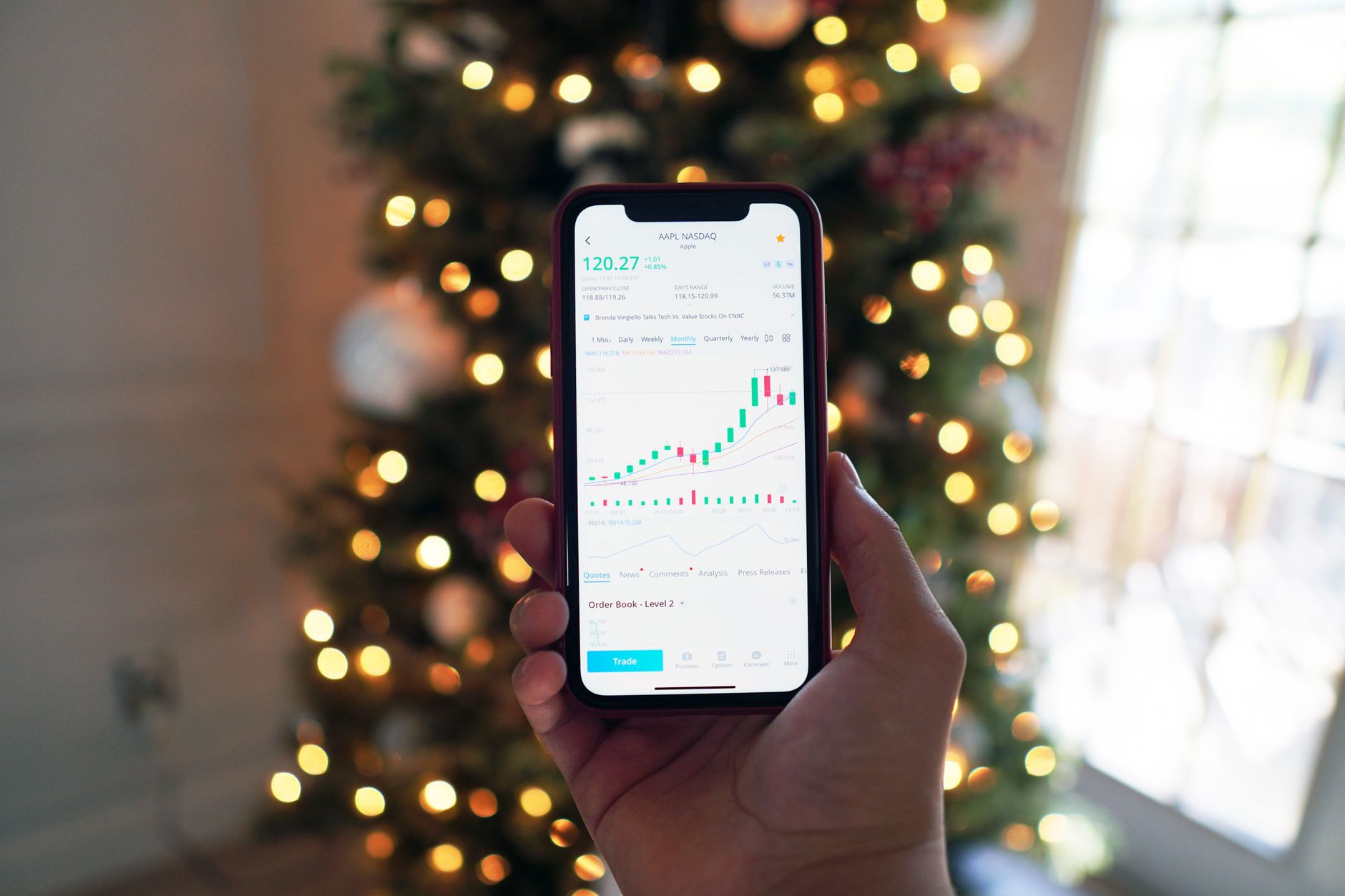
stock market holiday details are crucial for investors this week. The stock market holiday affects trading schedules, with BSE and NSE opening on Sunday but closing on a specific day.
Understanding Stock Market Holidays
Stock market holidays are scheduled days when stock exchanges are closed for trading activities. Understanding these holidays is essential for investors and traders alike, as they can impact market dynamics and investment strategies.
Typically, stock market holidays can be categorized into a few types:
- National Holidays: These are recognized public holidays that affect all stock exchanges, such as Independence Day or New Year’s Day.
- Religious Observances: Certain days are designated for religious observances, leading to market closures. For instance, festivals like Diwali may result in a stock market holiday.
- Special Holidays: Occasionally, there may be special announcements or events that warrant a market closure, such as natural disasters or significant national events.
For traders, a stock market holiday is an opportunity to reassess their strategies and prepare for upcoming trading sessions. It is crucial to stay informed about these holidays, as they can influence stock prices and overall market performance. As this week’s stock market holiday approaches, investors should ensure they are prepared for any adjustments that may be necessary.
Impact on Investors
The impact of a stock market holiday can be significant for investors. When the stock market is closed, trading halts, which can influence investment strategies and market dynamics. For many, these holidays offer a chance to reassess their portfolios and make informed decisions without the pressures of real-time trading.
During stock market holidays, investors might consider the following:
- Market Trends: With no trading activity, investors have time to analyze recent market trends and news that could affect their investments.
- Strategic Planning: It provides an opportunity to plan future trades and set targets for when the market reopens.
- Risk Assessment: Investors can take a step back to evaluate their risk exposure and make adjustments to their strategies accordingly.
- Emotional Break: A break from the market can help investors avoid impulsive decisions driven by daily fluctuations.
Ultimately, understanding the implications of a stock market holiday is crucial for investors to navigate their financial goals effectively.
Trading Schedule Changes
The stock market holiday can significantly alter the trading schedule for investors and traders alike. Typically, the stock exchanges follow a set timetable, but holidays can disrupt this routine. During these periods, it is essential for participants to stay informed about any changes to ensure they don’t miss out on critical trading opportunities.
For instance, on a typical week, the Bombay Stock Exchange (BSE) and the National Stock Exchange (NSE) operate from Monday to Friday, with trading hours running from 9:15 AM to 3:30 PM. However, when a stock market holiday occurs, these schedules can vary. It is crucial to note the following:
- Advance Notice: Stock exchanges generally provide advance notification of upcoming holidays.
- Weekend Trading: Some exchanges may open on weekends just before a holiday, which can confuse investors.
- Market Resumption: After a holiday, trading typically resumes at the regular hours, but it’s advisable to verify any adjustments.
To stay updated, investors should regularly check official announcements from the BSE and NSE to navigate the stock market holiday effectively.
BSE and NSE Updates
The Bombay Stock Exchange (BSE) and the National Stock Exchange (NSE) have recently announced updates regarding their trading schedules. As part of the stock market holiday, both exchanges will remain closed on certain days, impacting regular trading activities.
Investors should take note of the following key updates:
- Trading Hours: BSE and NSE typically operate from 9:15 AM to 3:30 PM, but this will change during the stock market holiday.
- Closure Dates: The exchanges will observe holiday closures on specific public holidays. It is essential for traders to check the official calendars for accurate dates.
- Extended Trading Sessions: On some occasions, the exchanges may offer extended trading hours before or after the stock market holiday. Investors are advised to stay informed.
- Market Impact: Trading volumes may fluctuate leading up to and following a stock market holiday, as investors adjust their strategies accordingly.
In conclusion, staying updated on BSE and NSE schedules is crucial for all investors looking to navigate the stock market effectively.
Market Reactions
The stock market holiday can significantly influence market reactions, particularly in the days leading up to and following the break. Investors often adjust their strategies as they anticipate potential fluctuations in stock prices. During these holidays, trading activity tends to decrease, leading to reduced volatility.
Market reactions typically include:
- Increased Caution: Many investors prefer to hold off on making significant trades as uncertainty grows around the holiday.
- Sector Performance Variability: Certain sectors may react differently based on historical data and investor sentiment.
- Pre-holiday Trading Spikes: Before a stock market holiday, trading volume may increase as investors rush to finalize transactions.
Additionally, the stock market holiday can prompt analysts to revise their forecasts. They often consider how the holiday might affect economic indicators and overall market performance. As the market reopens, traders should be prepared for a potential surge in activity as pent-up demand may lead to sharp movements in stock prices.
Understanding these dynamics is essential for making informed decisions around stock market holidays.
Planning for Trading Days
As traders prepare for the upcoming stock market holiday, it is essential to plan accordingly for any potential trading days surrounding the break. Understanding the stock market holiday schedule allows investors to optimize their strategies and make informed decisions.
Here are some key considerations when planning for trading days:
- Check the Market Calendar: Always refer to the official stock exchange calendar to stay updated on trading schedules and any unexpected changes.
- Adjust Trading Strategies: Investors should review their strategies based on the holiday timetable, taking into account potential volatility before and after the break.
- Set Alerts: Utilize stock alerts to monitor significant price movements leading up to and following the stock market holiday, ensuring you stay informed.
- Consider Global Markets: Keep an eye on international markets that may be influenced by the stock market holiday, as global events can impact trading on reopening.
- Review Position Sizes: Assess your current holdings and consider adjusting position sizes based on market conditions and upcoming holidays.
Being proactive during this period can help mitigate risks and capitalize on opportunities that arise in the stock market.
Key Takeaways for Traders
As traders prepare for the upcoming stock market holiday, it is essential to keep a few key takeaways in mind to navigate this period effectively.
- Know the Dates: Familiarize yourself with the specific dates of stock market holidays to avoid any unexpected disruptions in your trading schedule.
- Adjust Your Strategies: Since the market will be closed, consider altering your trading strategies to account for any potential volatility before and after the holiday.
- Monitor Global Markets: Global events and market performance during the holiday can influence trading sentiment. Stay updated on international markets to inform your decisions.
- Plan Ahead: Use the downtime to research and analyze your portfolio, preparing for when trading resumes. This planning can provide a competitive edge.
- Communicate with Your Broker: Ensure that you are in contact with your broker regarding any changes to trading hours and other relevant updates during the stock market holiday.
By keeping these factors in mind, traders can navigate the stock market holiday with confidence and better prepare for the days ahead.
Photo by Joshua Mayo on Pexels