


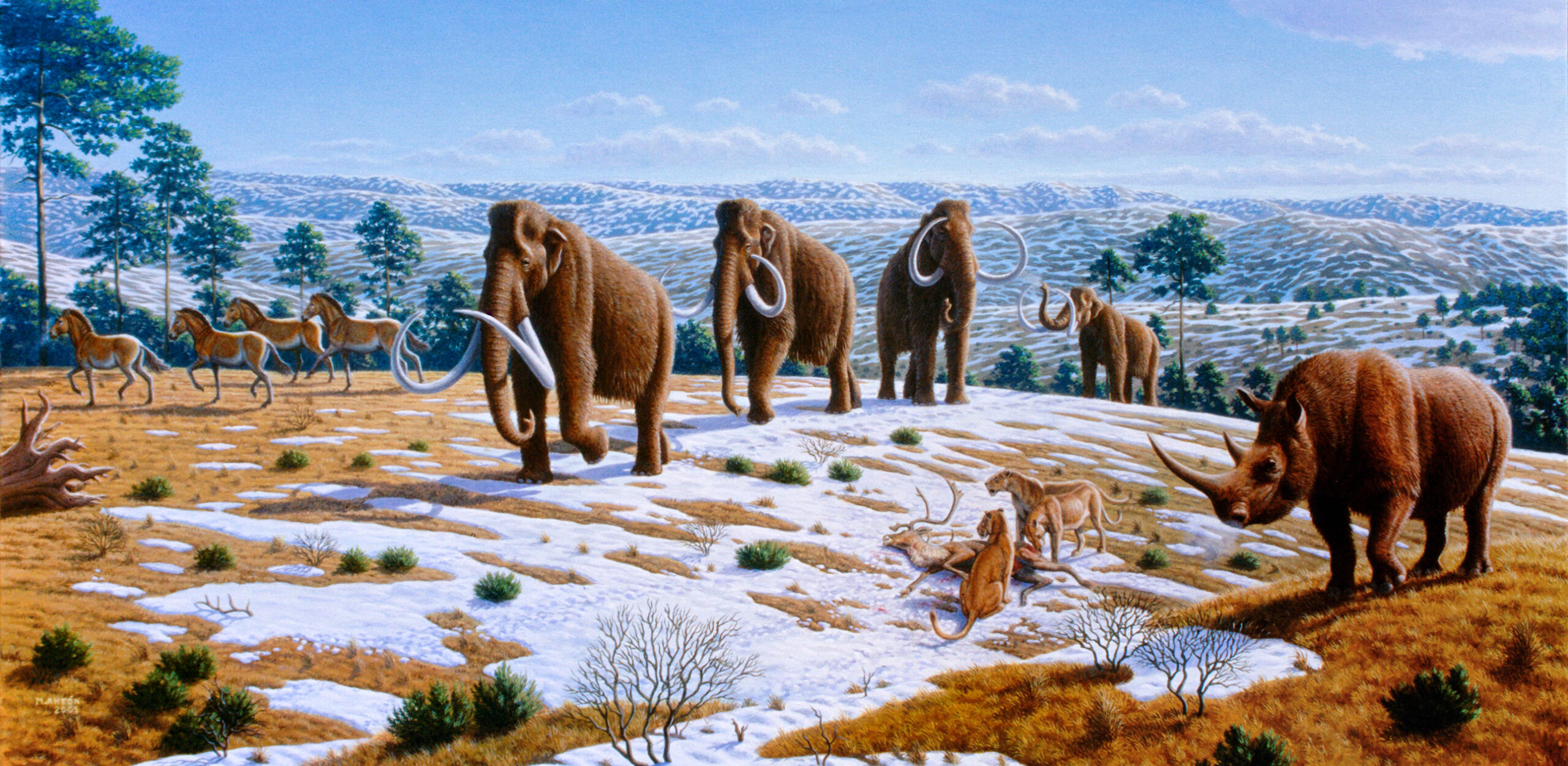
Ice Age Europeans roamed far across the continent, as recent DNA evidence uncovers their extensive journeys. This fascinating discovery sheds light on their movement and adaptation during the Ice Age.
New DNA Evidence on Ice Age Migration
Recent genetic analysis has provided groundbreaking insights into the migration patterns of Ice Age Europeans, revealing their extensive travels across the continent. Scientists have examined ancient DNA samples, uncovering a complex web of movement that challenges previous assumptions about their lifestyle and adaptability.
Key findings include:
- Geographic Range: Ice Age Europeans were not confined to specific regions; rather, they roamed vast areas, adapting to a variety of environments.
- Genetic Diversity: The ancient DNA indicates a rich genetic tapestry, suggesting interactions between different groups across long distances.
- Survival Strategies: Their ability to thrive in harsh climates showcases their innovative survival techniques, including hunting, foraging, and tool-making.
These discoveries highlight the resilience and adaptability of Ice Age Europeans, offering a deeper understanding of their life and migrations during a pivotal time in human history. As more data emerges, researchers continue to piece together the journey of these early inhabitants of Europe.
How Ice Age Europeans Adapted to Their Environment
Ice Age Europeans demonstrated remarkable adaptability to their harsh environments, employing a variety of survival strategies. These early humans faced fluctuating climates and diverse landscapes as they migrated across the continent. Their ability to innovate and utilize available resources played a crucial role in their survival.
Key adaptations included:
- Clothing and Shelter: Utilizing animal hides and bones, Ice Age Europeans crafted insulated clothing and constructed shelters that protected them from the elements.
- Hunting Techniques: They developed advanced hunting tools, such as spear-throwers and stone blades, enabling them to hunt large game effectively.
- Dietary Flexibility: Ice Age Europeans were opportunistic eaters, relying on seasonal resources, including plants and smaller animals, to supplement their diets.
These adaptations not only ensured their survival but also facilitated their movement across challenging terrains, shaping the trajectory of human development during this prehistoric era.
Key Findings from Recent Research
Recent research has unveiled critical insights into the lives of Ice Age Europeans, highlighting their extensive migration patterns and adaptability. Key findings include:
- Genetic Diversity: DNA analysis indicates that Ice Age Europeans exhibited significant genetic diversity, suggesting a complex network of migration across the continent.
- Climate Adaptation: These early humans developed unique survival strategies, allowing them to thrive in varying climates, from the frigid tundras to temperate forests.
- Tool Innovation: Archaeological discoveries reveal a range of advanced tools that Ice Age Europeans crafted, enhancing their hunting and gathering capabilities.
- Social Structures: Evidence points to sophisticated social structures, with groups likely forming alliances for resource sharing during harsh conditions.
These findings not only deepen our understanding of Ice Age Europeans but also underscore their resilience and ingenuity in navigating the challenges of their environment during a period of dramatic climatic shifts.
The Importance of Genetic Studies in History
The study of genetics has become a vital tool in uncovering the mysteries surrounding Ice Age Europeans. By analyzing ancient DNA, researchers have been able to trace the migrations and adaptations of these early inhabitants of Europe. This genetic evidence provides insights into their population dynamics, revealing how they intermingled with other groups and responded to environmental changes.
Recent advancements in genetic sequencing allow scientists to reconstruct the lineage of Ice Age Europeans and understand their movement across the continent. These studies highlight the complexity of human migration during this period, challenging earlier assumptions that portrayed a static population. Instead, the findings suggest a dynamic landscape where Ice Age Europeans navigated various terrains and climates, adapting to the changing conditions.
Furthermore, genetic studies have uncovered connections between these ancient populations and modern Europeans, illustrating the lasting impact of Ice Age migrations on contemporary genetic diversity. As research progresses, the role of genetics in understanding the past will only continue to grow.
Understanding Ancient Human Movement
The study of Ice Age Europeans provides crucial insights into their migratory patterns and survival strategies. Recent evidence highlights how these ancient people navigated vast landscapes, adapting their lifestyles to the fluctuating climates and available resources.
Researchers have identified several key factors that influenced their movements:
- Climate Change: Shifts in temperature and vegetation zones prompted these populations to follow herds and seek more hospitable areas.
- Resource Availability: As prey species migrated, Ice Age Europeans moved in pursuit of food, impacting their distribution across the continent.
- Technological Advancements: The development of tools enhanced their ability to hunt and gather, enabling more extensive travel.
Moreover, archaeological discoveries, including ancient campsites and tools, suggest that Ice Age Europeans formed complex social networks which played a vital role in their adaptation and resilience. Understanding these dynamics sheds light on how early humans thrived during one of the most challenging periods in history.
Implications for Modern Science
The recent discoveries regarding Ice Age Europeans have significant implications for modern science, particularly in the fields of genetics and anthropology. By analyzing ancient DNA, researchers have gained insights into the migration patterns and adaptability of these early humans, reshaping our understanding of human history.
One key implication is the potential for further exploration of genetic diversity. The findings suggest that Ice Age Europeans interbred with other hominin species, which could offer clues about the genetic makeup of contemporary populations. This interbreeding may have contributed to specific traits that are still present in modern humans.
Additionally, the research emphasizes the importance of interdisciplinary collaboration. Geneticists, archaeologists, and environmental scientists must work together to piece together the complex puzzle of human evolution. Such collaboration can lead to breakthroughs that illuminate not only our past but also our future.
Ultimately, these revelations encourage a reevaluation of how we view human migration and adaptation, opening new avenues for scientific inquiry and understanding.
By Mauricio Antón via Openverse
Sources
Related reading
Extreme Weather Travel: The Real Impact on Your Plans · India office leasing: What are the best trends for 2026? · Bucketlistt Seed Funding: The Best Proven Investment