









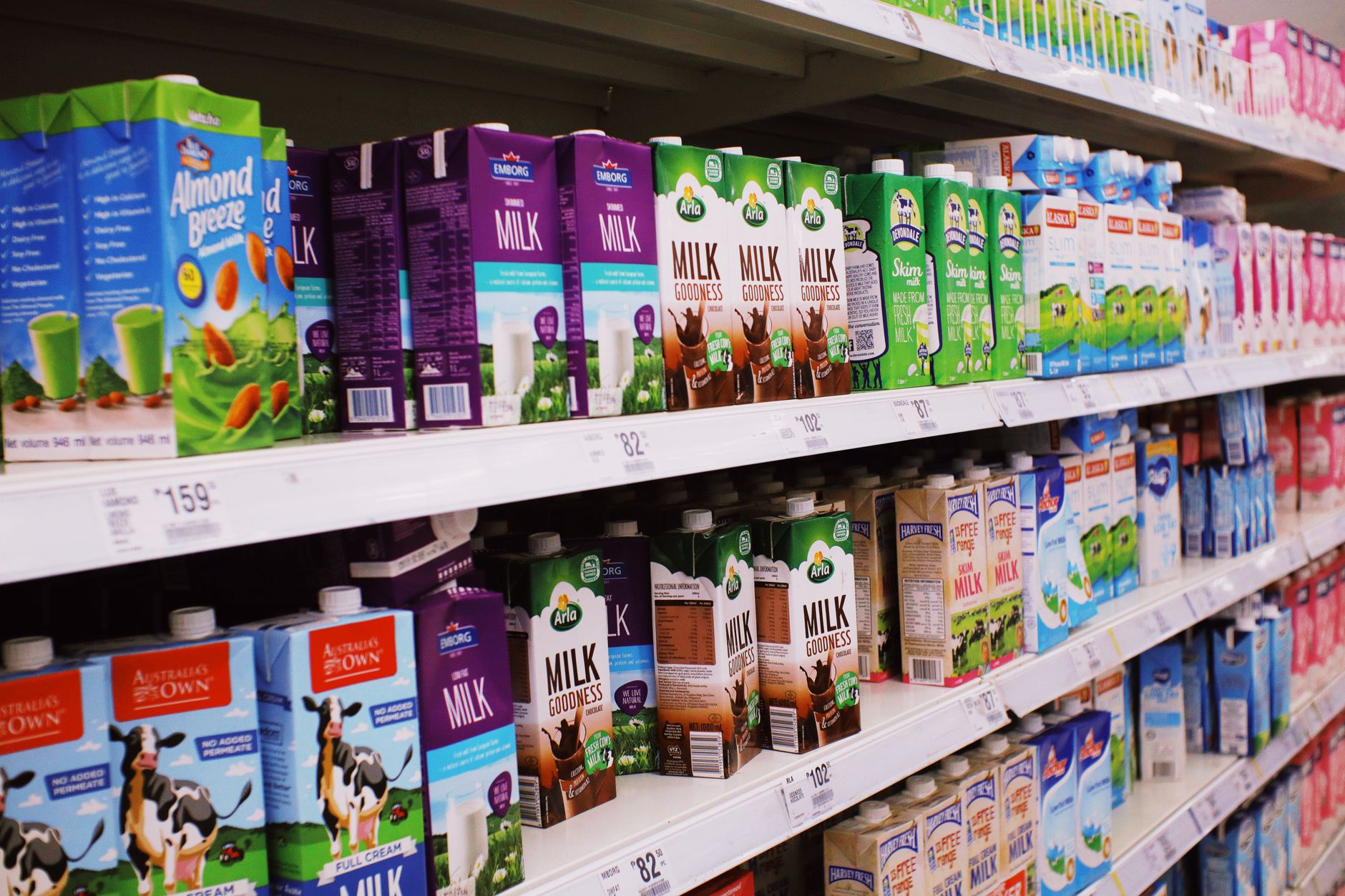
The milk price hike has been announced by Amul and Mother Dairy, increasing rates by Rs 2-4 per litre starting November 12. This change will impact many households across India.
Impact of the Milk Price Hike
The recent milk price hike has raised concerns among consumers across the country. With Amul and Mother Dairy increasing their prices by Rs 2-4 per litre effective November 12, many families are feeling the financial strain. This increase in milk prices is not only affecting household budgets but is also likely to impact various sectors that rely heavily on dairy products.
Consumers are already grappling with rising costs of essential goods, and this latest hike in milk prices is expected to exacerbate the situation. Some of the key impacts include:
- Increased Household Expenses: Families that rely on milk as a staple for their daily nutrition may need to adjust their budgets to accommodate the new prices.
- Impact on Small Businesses: Local tea shops, cafes, and eateries that serve milk-based products may face challenges in maintaining profit margins, potentially leading to higher prices for consumers.
- Health Concerns: With milk being a primary source of nutrition for many, the price hike may lead some families to reduce their intake, raising concerns about nutritional deficiencies.
As the milk price hike takes effect, consumers are urged to explore alternatives and adjust their purchasing habits to mitigate the impact on their finances.
Reasons Behind the Price Increase
The recent milk price hike by major dairy brands, including Amul and Mother Dairy, has raised concerns among consumers and industry experts alike. Several factors have contributed to this increase, which has seen prices rise by Rs 2-4 per litre from November 12.
One of the primary reasons behind the price increase is the escalating cost of raw materials. The prices of feed and fodder have surged significantly due to adverse weather conditions and supply chain disruptions. This has made it increasingly expensive for dairy farmers to maintain their herds and produce milk.
Additionally, inflationary pressures have affected various sectors, leading to higher operational costs for dairy companies. Transportation costs have also risen, impacting the overall supply chain and contributing to the milk price hike.
There is also a growing demand for milk and dairy products, which has outstripped supply in some regions. As consumer preferences shift towards healthier options, the demand for quality milk has intensified, leading companies to adjust prices to manage the increased demand.
In summary, the combination of rising raw material costs, inflation, and heightened consumer demand has played a significant role in the recent milk price hike, leaving consumers to grapple with the financial consequences.
Consumer Reactions to Milk Price Hike
The recent milk price hike has left many consumers expressing their frustrations and concerns about the rising cost of essential dairy products. With brands like Amul and Mother Dairy increasing prices by Rs 2-4 per litre effective from November 12, households are feeling the pinch.
Many consumers have taken to social media to voice their dissatisfaction. Ravi Kumar, a father of two, shared, “Every little increase adds up. We are already managing tight budgets, and this milk price hike will force us to reconsider our grocery choices.”
Others have pointed out the ripple effect that the price increase could have on related products. Priya Singh, a small business owner who runs a local café, remarked, “If milk prices continue to rise, I’ll have to adjust my menu prices, which could drive customers away.”
In a survey conducted by a local news outlet, 60% of respondents indicated they would reduce their milk consumption, while 30% expressed a willingness to switch to alternatives such as plant-based milk. This reflects a growing trend among consumers looking for cost-effective solutions in the face of the milk price hike.
As families brace themselves for the financial impact, many are left wondering how long these increases will last and what it means for their daily lives.
Future Predictions for Dairy Prices
As the dairy industry grapples with rising production costs, future predictions for dairy prices indicate that consumers may face continued challenges. Analysts suggest that the recent milk price hike, which saw brands like Amul and Mother Dairy increase prices by Rs 2-4 per litre, could be just the beginning.
Several factors contribute to these predictions:
- Input Costs: The prices of feed, energy, and transportation have surged, leading dairy farmers to adjust milk prices to maintain profitability.
- Supply Chain Disruptions: Ongoing global supply chain issues continue to affect the availability of key ingredients, pushing prices upward.
- Inflationary Pressures: With overall inflation affecting various sectors, dairy products are not exempt from rising costs.
- Consumer Demand: As demand for dairy products remains stable, producers may increase prices further to balance supply and demand.
Experts warn that if these trends continue, the milk price hike could become a regular occurrence, leaving consumers to grapple with higher grocery bills. Many households are already feeling the strain, and further increases will likely force families to reevaluate their budgets and spending habits.
In light of these developments, consumers are urged to stay informed about potential price changes and consider alternatives to manage their expenses effectively.
Photo by Nothing Ahead on Pexels
Sources
Related stories
October CPI data: Right Market Trends for Investors · Sensex Stock Market Updates: What’s the Best Trend Today? · Indian stocks investment: Proven strategies for success