





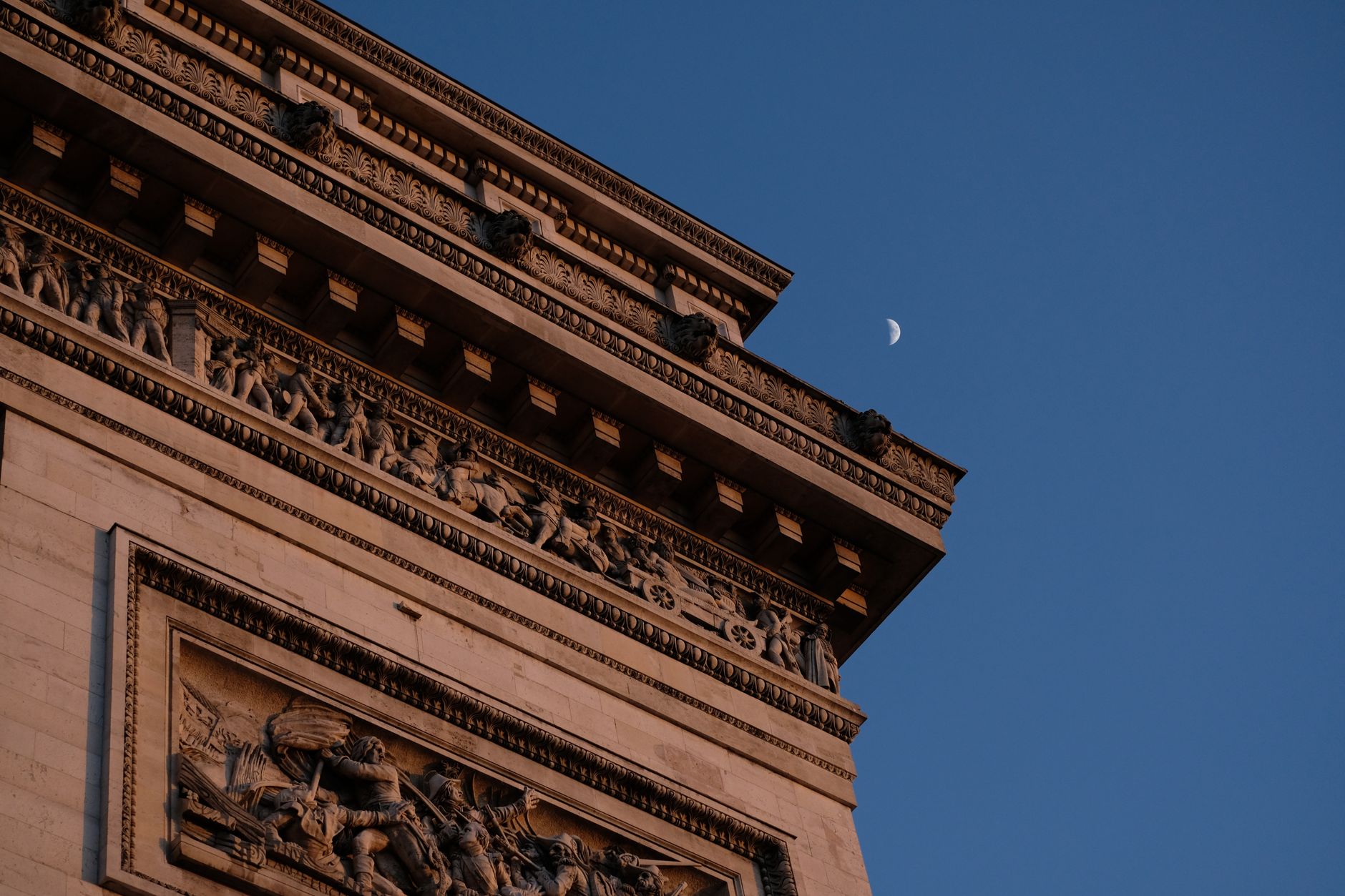
protect historic sites moon is a pressing question as the lunar rush approaches. As interest in lunar exploration grows, so does the need for effective preservation strategies.
The Importance of Historic Sites on the Moon
The moon has long been a source of fascination and inspiration for humanity, serving as a symbol of exploration and discovery. As interest in lunar exploration grows, so does the need to protect historic sites on the moon. These sites are not merely relics; they represent significant milestones in human achievement.
Among the most notable locations are:
- The Apollo landing sites, where astronauts first set foot on the lunar surface.
- The remnants of early robotic missions, which paved the way for manned exploration.
- Scientific instruments left behind, which continue to provide valuable data about the moon.
Preserving these historic sites on the moon is crucial for several reasons. First, they offer insights into our past and the technological advancements of the time. Second, they hold cultural significance, representing the aspirations and achievements of an entire generation. Finally, as we look toward future lunar missions, protecting these sites ensures that we can learn from them without compromising their integrity.
As we stand on the brink of a new lunar era, it is essential to develop smart strategies to safeguard these historical treasures for future generations to study and appreciate.
Challenges in Protecting Lunar Heritage
The exploration of the Moon is entering a new era, prompting concerns regarding the need to protect historic sites on the Moon. As commercial and government missions increase, the potential for damage to these sites becomes a pressing issue.
One significant challenge is the lack of a comprehensive legal framework governing lunar heritage. Existing treaties, such as the Outer Space Treaty, provide some guidelines, but they often fall short in addressing specific concerns related to historic preservation. Without clear regulations, there is a risk that future missions may inadvertently or deliberately disturb these important sites.
Another challenge is the technological advancements in space exploration. As new methods of landing and resource extraction are developed, the potential for accidents or unintentional impacts on historic sites rises. The rush to utilize the Moon’s resources may overshadow the need for conservation efforts.
Furthermore, the international community faces difficulties in reaching a consensus on how to balance exploration with preservation. Different countries and private entities may have conflicting priorities, making it essential to foster collaboration and dialogue.
Ultimately, ensuring the safety of lunar heritage requires a multifaceted approach, combining legal, technological, and diplomatic strategies to safeguard these invaluable sites for future generations.
Smart Strategies for Preservation
As interest in lunar exploration grows, it is crucial to implement smart strategies for preservation to protect historic sites on the Moon. These strategies can help ensure that valuable remnants of past missions remain intact for future generations.
One effective approach is the establishment of designated protected zones around significant sites, such as the Apollo landing areas. By restricting access to these zones, we can minimize the risk of damage from both robotic and human activities.
Another vital strategy involves international collaboration and guidelines. As multiple countries plan lunar missions, it is essential to create a framework that encourages responsible exploration and preservation of lunar heritage. This can be achieved through:
- International Treaties: Formulating agreements that emphasize the importance of protecting historic lunar sites.
- Public Awareness Campaigns: Educating the public and stakeholders about the significance of these sites.
- Technological Innovations: Utilizing advanced technologies to monitor and assess the condition of historic sites.
By adopting these strategies, we can effectively protect historic sites on the Moon and ensure they remain a source of inspiration and knowledge for future exploration.
Future of Moon Exploration
The future of moon exploration presents both exciting opportunities and significant challenges. As countries and private entities prepare to venture back to the lunar surface, the need to protect historic sites on the Moon becomes increasingly urgent. With plans for bases, mining operations, and tourism, the potential for disruption to these invaluable sites is high.
To navigate this landscape, several key measures can be implemented:
- International Agreements: Establishing global treaties that prioritize the preservation of lunar heritage can help ensure that all parties respect the significance of historic sites.
- Technological Innovations: Utilizing advanced technology, such as drones and robotics, can aid in monitoring and protecting these areas from unintentional damage.
- Public Awareness Campaigns: Engaging the public through educational initiatives can foster a sense of responsibility toward preserving lunar history and encourage ethical exploration practices.
- Collaborative Efforts: Involving scientists, historians, and engineers in the planning stages of lunar missions can lead to more informed decisions that prioritize preservation.
By adopting these strategies, we can ensure that as we reach for the stars, we also safeguard the lunar legacy left by those who came before us.
To effectively protect historic sites moon, implementing advanced monitoring systems can help detect any potential threats. Community engagement is also vital to raise awareness and promote efforts to protect historic sites moon for future generations.
Photo by Gökberk Keskinkılıç on Pexels