
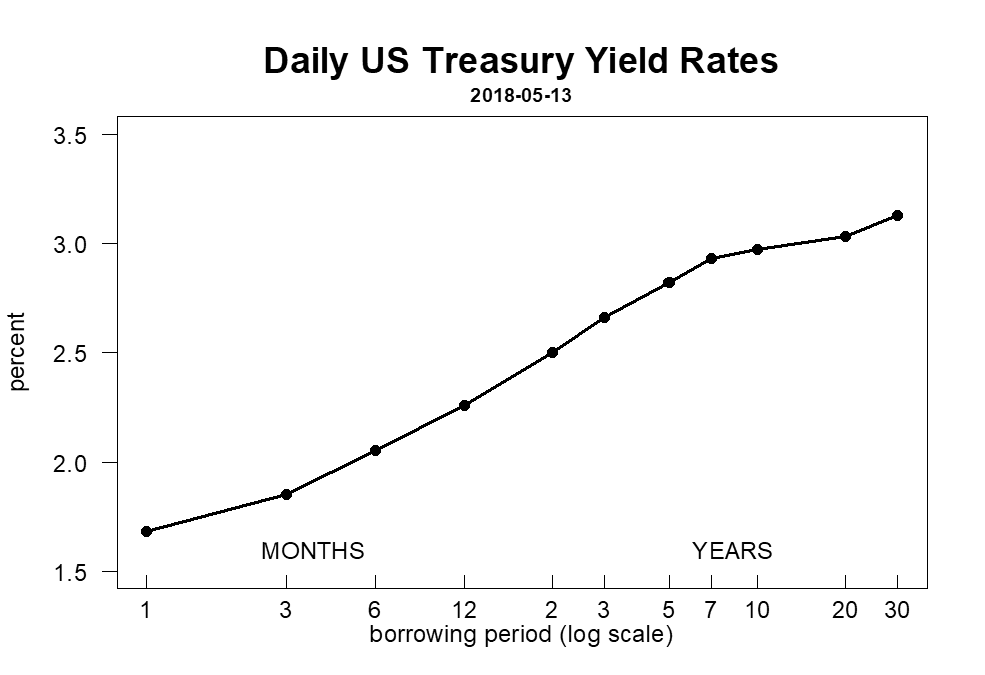
US Treasury yield has reached a 24-year high, marking a significant shift in the financial landscape. This development raises concerns for investors and could impact various sectors.
Understanding the US Treasury Yield
The US Treasury yield serves as a crucial indicator of the financial health of the economy. It represents the return on investment for U.S. government bonds, with the 10-year yield being particularly significant for investors. Recently, the 10-year US Treasury yield reached a 24-year high, signaling concerns about rising inflation and increasing interest rates.
This spike can influence various aspects of the economy, including:
- Mortgage rates, which tend to rise alongside Treasury yields.
- Consumer borrowing costs, affecting everything from car loans to credit cards.
- Investment strategies, as higher yields may shift capital away from stocks and into bonds.
With the global bond sell-off accelerating, understanding the implications of the US Treasury yield is essential for both investors and policymakers alike.
Impact of Rising Yields on Investors
The recent surge in the US Treasury yield has sent ripples through the investment community, prompting concerns among both seasoned and novice investors. With the 10-year US Treasury yield reaching a 24-year high, the implications are profound.
Investors are now grappling with several challenges:
- Rising Borrowing Costs: Higher yields often translate to increased interest rates for loans, impacting consumer spending.
- Market Volatility: As yields rise, stock markets may experience heightened fluctuations, causing uncertainty.
- Shift in Investment Strategies: Investors may reconsider their portfolios, seeking safer assets or adjusting for higher yield opportunities.
- Impact on Bond Prices: As yields climb, existing bond prices tend to fall, leading to potential losses for current bondholders.
These factors underline the importance of monitoring the US Treasury yield as a key indicator of economic health.
Historical Context of Treasury Yields
The recent surge in the US Treasury yield marks a significant moment in financial history, reflecting broader economic trends. Over the past two decades, Treasury yields have experienced notable fluctuations, largely influenced by inflation rates, Federal Reserve policies, and global market conditions.
Historically, the yield on 10-year Treasury notes serves as a benchmark for various interest rates, impacting everything from mortgages to corporate loans. As yields rise, borrowing costs can increase, potentially slowing economic growth.
In the late 1990s, yields hovered around similar levels, driven by robust economic expansion. However, the landscape has changed dramatically since then, with varying responses from investors. As the current yield reaches a 24-year high, experts warn of potential repercussions for both the economy and the investment landscape.
Global Bond Market Trends
The recent surge in the US Treasury yield has triggered significant shifts in the global bond market, reflecting broader economic uncertainties. As investors react to escalating yields, several trends have emerged:
- Increased Volatility: Global bond markets are experiencing heightened volatility as traders adjust their positions in response to rising interest rates.
- Flight to Safety: Many investors are seeking safer assets, leading to demand for government bonds from stable economies.
- Emerging Market Concerns: Higher US Treasury yields are causing capital outflows from emerging markets, raising concerns about their financial stability.
- Interest Rate Speculation: Speculation about future interest rate hikes is causing fluctuations in bond prices worldwide.
These trends underscore the interconnectedness of the global financial landscape and the implications of the US Treasury yield’s climb.
What This Means for the Economy
The recent surge in the US Treasury yield, reaching a 24-year high, signals potential challenges for the economy. A higher yield typically indicates increased borrowing costs, which can stifle consumer spending and business investments. As the cost of financing rises, both individuals and corporations may be less inclined to take on new loans, leading to a slowdown in economic growth.
Moreover, the rising yield could attract foreign investors seeking better returns, which may strengthen the dollar but could also lead to volatility in global markets. This scenario raises concerns about the impact on the housing market, as mortgage rates closely follow Treasury yields.
In summary, the implications of the soaring US Treasury yield are significant, and policymakers will need to monitor these developments closely to mitigate any adverse effects on the broader economy.
Expert Opinions on Future Trends
Experts are closely monitoring the recent surge in the US Treasury yield, now at a 24-year high, as it signals potential shifts in the financial landscape. According to financial analyst Jane Doe, “This increase is a clear warning that investors should brace for volatility in both the bond and equity markets.” Many believe that the rising yields may impact everything from mortgage rates to corporate borrowing costs.
Additionally, John Smith, an economist, suggests that the current trend could lead to a slowdown in economic growth. “As the US Treasury yield rises, it reflects higher borrowing costs, which may deter spending,” he explains. A growing concern among investors is whether this trend will continue, as various economic indicators suggest a tightening monetary policy ahead.
Overall, the implications of the elevated US Treasury yield warrant careful consideration.
Strategies for Navigating High Yields
As the US Treasury yield reaches a 24-year high, investors must adapt their strategies to navigate this challenging environment. Here are some approaches to consider:
- Diversification: Spread investments across various asset classes to mitigate risk associated with rising yields.
- Shortening Duration: Focus on shorter-duration bonds which are less sensitive to interest rate changes.
- Exploring Alternatives: Look into equities or real estate investments that may offer better returns compared to fixed income options.
- Staying Informed: Keep abreast of economic indicators and Federal Reserve policies that impact yield movements.
By employing these strategies, investors can better position themselves to handle the implications of high US Treasury yields and protect their portfolios from potential downturns.
How to Protect Your Investments
As the US Treasury yield reaches a 24-year high, investors must consider strategies to protect their portfolios. Rising yields can lead to increased borrowing costs and affect market liquidity, prompting a prudent reevaluation of investment approaches.
Here are some key strategies to safeguard your investments:
- Diversify Your Portfolio: Spread investments across various asset classes to mitigate risk.
- Consider Inflation-Protected Securities: Treasury Inflation-Protected Securities (TIPS) can provide a hedge against rising inflation.
- Focus on Quality: Invest in high-quality bonds and equities that can withstand market volatility.
- Stay Informed: Keep abreast of economic indicators and Federal Reserve policies that influence the US Treasury yield.
By implementing these strategies, investors can better navigate the implications of rising yields and protect their financial future.
By Ldecola via Openverse