





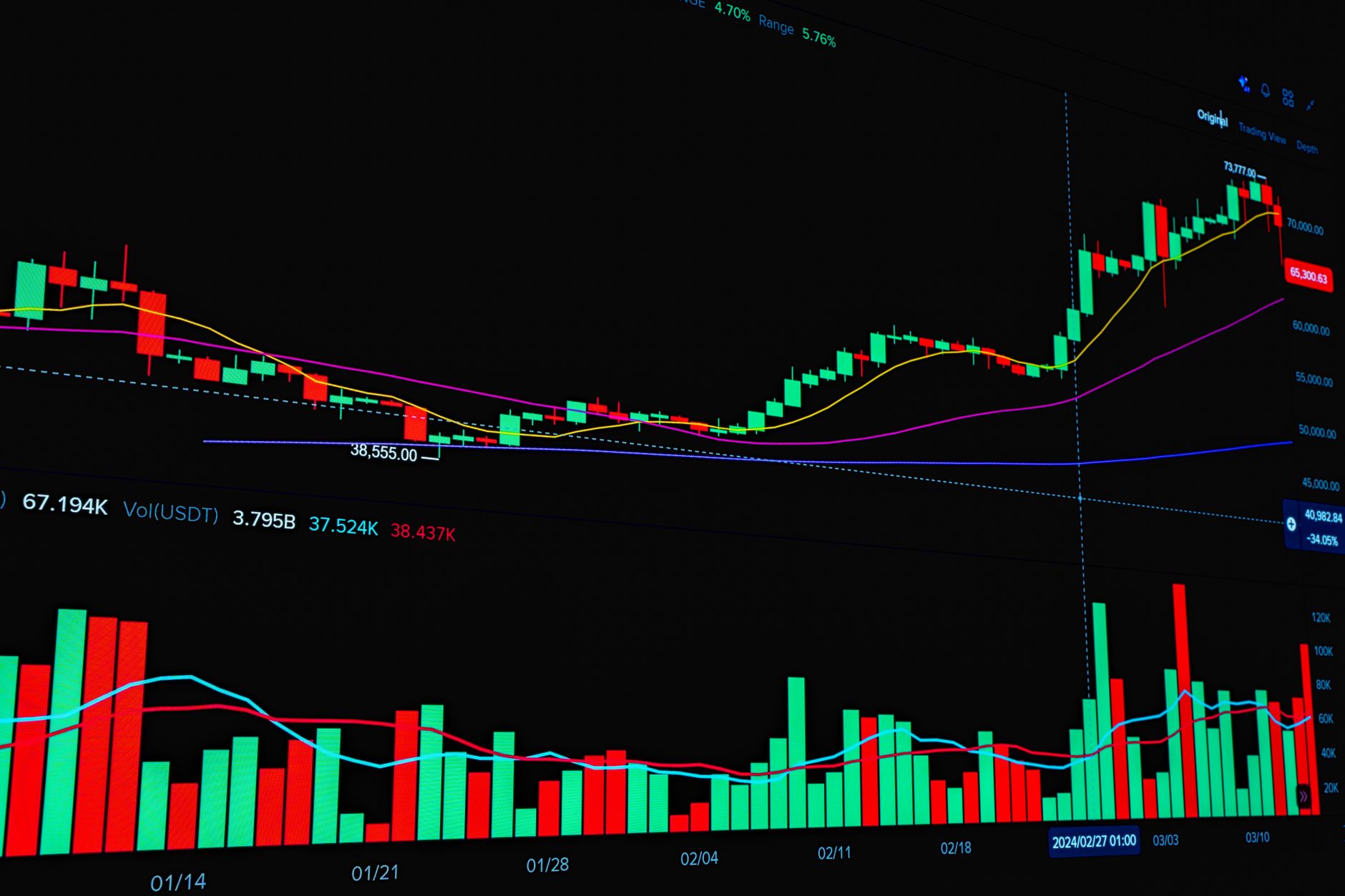
The stock market falling has raised concerns among investors today. With India VIX jumping over 8.5%, both Sensex and Nifty have seen a significant decline of 1.5%.
Understanding India VIX
The recent volatility in the stock market has raised concerns among investors, particularly as the India VIX, a key measure of market volatility, has jumped over 8.5%. This spike indicates increasing uncertainty and fear among traders, which often correlates with a falling stock market. Understanding the factors driving the India VIX can help clarify why the stock market is falling today.
The India VIX is derived from the Nifty index options and reflects market expectations of near-term volatility. A rising VIX typically suggests that investors are anticipating larger price swings in the market, which can often lead to more cautious trading behavior.
- Increased market uncertainty: Global economic conditions, such as inflation concerns and geopolitical tensions, can elevate the VIX.
- Profit booking: After a prolonged rally, many investors may choose to lock in gains, contributing to downward pressure on stock prices.
- Interest rate hikes: Speculations regarding potential interest rate increases can lead to a reevaluation of asset valuations, prompting a sell-off.
- Sector-specific issues: Certain sectors may face distinct challenges, further exacerbating the overall decline in market indices.
As investors keep a close eye on these indicators, the relationship between the India VIX and the stock market falling becomes increasingly evident.
Impact of Global Markets
The recent turmoil in the stock market has not only affected local indices but has also been influenced by trends in global markets. The interconnectedness of financial systems means that fluctuations in major economies can have a ripple effect across the world.
One significant factor contributing to the stock market falling is the rising concerns over inflation and interest rates in key economies such as the United States and Europe. As central banks tighten monetary policies, investors become wary of potential slowdowns in economic growth, leading to increased volatility.
In addition, geopolitical tensions and trade disputes have created an atmosphere of uncertainty. Investors are reacting to news about potential sanctions and trade barriers, which can disrupt supply chains and impact corporate profits.
Furthermore, global market sentiments have been swayed by recent earnings reports from major multinational companies. Disappointing earnings forecasts can lead to a loss of confidence among investors, prompting a sell-off that further exacerbates the stock market falling.
Among other factors, fluctuations in commodity prices, particularly oil and gas, have also played a role. Rising energy prices can increase operational costs for companies, leading to concerns about profitability and thus affecting stock valuations.
Overall, the interplay of these global factors has created a challenging environment for investors, making it crucial to understand the broader context behind the stock market’s downturn.
Key Reasons for Market Decline
The recent downturn in the stock market has left many investors and analysts questioning the underlying causes of this decline. Several key reasons have emerged, which collectively contribute to the current situation.
- Rising Interest Rates: Central banks have been incrementally increasing interest rates to combat inflation. This has led to higher borrowing costs for companies and consumers alike, resulting in reduced spending and investment.
- Geopolitical Tensions: Ongoing conflicts and political instability in various regions have created uncertainty in the market. Investors tend to flee to safer assets, resulting in a decline in stock prices.
- Weak Corporate Earnings: Many companies have reported disappointing earnings results, raising concerns about profitability and future growth. This has led investors to reassess their positions, contributing to the stock market falling.
- Inflationary Pressures: Persistent inflation continues to erode consumer purchasing power, prompting fears of a slowing economy. As inflation persists, companies may struggle to maintain profit margins, causing further stock declines.
- Market Sentiment: Investor sentiment plays a crucial role in stock market performance. Negative news and market volatility can lead to panic selling, further exacerbating the decline.
In summary, a combination of economic, geopolitical, and market sentiment factors has contributed to the current stock market falling, leaving many to wonder about the future trajectory of their investments.
Investor Sentiment Analysis
Investor sentiment plays a crucial role in the dynamics of the stock market, especially during periods of volatility. Currently, the stock market is falling, and understanding the underlying emotions of investors can provide insights into this trend.
Recent surveys indicate a noticeable shift in investor confidence. Many are feeling increasingly pessimistic about future market performance, largely due to various economic indicators and geopolitical tensions. Key factors influencing this sentiment include:
- Economic Uncertainty: With inflation rates rising and interest rates fluctuating, investors are worried about the sustainability of economic growth.
- Corporate Earnings: Disappointing quarterly earnings reports from several major companies have raised concerns about profitability, further impacting investor confidence.
- Geopolitical Tensions: Ongoing conflicts and diplomatic issues have created an environment of uncertainty that has led many to adopt a more cautious investment approach.
Moreover, the recent spike in the India VIX, which reflects market volatility expectations, has exacerbated fears among investors. A higher VIX indicates increased uncertainty, prompting many to reconsider their strategies. As a result, a significant portion of investors is opting for safer assets, contributing to the downward pressure on stock prices.
Ultimately, the interplay of these factors suggests that until investor sentiment improves, the stock market may continue to experience declines.
Sector Performance Overview
The current stock market falling trend has been influenced significantly by varying sector performances. Analyzing these sectors provides deeper insight into the overall market dynamics.
Several sectors are experiencing distinct challenges:
- Financials: This sector has been under pressure due to rising interest rates and concerns over loan defaults, which have affected investor confidence.
- Technology: A decline in tech stocks has been notable as companies face tightening regulations and supply chain disruptions, leading to decreased profitability forecasts.
- Energy: Fluctuating crude oil prices and geopolitical tensions have resulted in volatility within the energy sector, further contributing to the stock market falling.
- Consumer Goods: With inflation on the rise, consumer spending has shown signs of weakening, adversely affecting companies in this sector.
- Healthcare: This sector faces scrutiny over pricing and regulatory pressures, which may impact future growth and earnings.
Moreover, sectors like utilities and real estate have shown resilience, attracting investors seeking stability amidst market uncertainty. The overall performance of these sectors highlights the complex nature of the current economic landscape, where shifts in one area can lead to broader market reactions.
Understanding these sector performances is crucial for investors navigating the landscape of a falling stock market.
Future Market Predictions
As analysts look ahead, the future of the stock market remains uncertain. The recent trend of the stock market falling has raised several questions regarding potential recovery and long-term impacts.
Experts suggest that the following factors will play a significant role in shaping market predictions:
- Inflation Rates: Persistent inflation could continue to pressure the market. If inflation remains elevated, central banks may respond with tighter monetary policies that could further impact investor confidence.
- Interest Rates: Increasing interest rates may lead to higher borrowing costs for businesses and consumers, potentially slowing economic growth and impacting stock valuations.
- Corporate Earnings: Upcoming earnings reports will be crucial. Investors are keenly watching how companies adapt to the current economic landscape. Disappointing earnings could exacerbate the stock market falling trend.
- Global Economic Conditions: Economic instability in major markets can have a ripple effect. Observing how geopolitical tensions and trade relations evolve will be essential for understanding market direction.
- Investor Sentiment: Market psychology plays a pivotal role. Continued negative sentiment could lead to further declines, while any signs of optimism could spur recovery.
In conclusion, while the stock market falling trend presents challenges, ongoing analysis and responsiveness to these factors will be crucial for future investment strategies.
Expert Opinions on Current Trends
Experts are closely monitoring the stock market falling trend, attributing the recent declines to a combination of factors. According to financial analysts, the surge in the India VIX signals heightened volatility, which often leads to a shift in investor behavior.
One prominent market strategist stated, “The current environment is fueled by uncertainty around global economic conditions. Investors are reacting to inflation fears and potential interest rate hikes, leading to a sell-off in equities.” The strategist emphasized that these macroeconomic indicators are crucial for understanding the present market dynamics.
Additionally, market analysts have pointed out several key factors influencing this downturn:
- Inflation Concerns: Rising inflation rates are prompting fears of tighter monetary policy, which can adversely affect market confidence.
- Geopolitical Tensions: Ongoing conflicts and trade disputes have created an unstable economic atmosphere, prompting investors to reconsider their positions.
- Corporate Earnings Reports: Disappointing earnings from major corporations have also contributed to the stock market falling, as expectations were not met.
- Sector Rotation: Shifts in sector performance, where investors move funds from high-growth sectors to safer investments, have further driven market declines.
As these trends continue to unfold, experts advise investors to remain cautious and consider long-term strategies amidst the current volatility.
Strategies for Investors
As the stock market falling trend continues, investors may feel apprehensive about their portfolios. However, there are several strategies that can help navigate this turbulent period.
- Diversification: One of the best ways to mitigate risk is to diversify investments across different asset classes. This can help cushion against losses in a declining market.
- Investing in Defensive Stocks: Consider allocating a portion of your portfolio to defensive stocks, which tend to perform better during downturns. Sectors like utilities and consumer staples often remain stable.
- Dollar-Cost Averaging: Instead of trying to time the market, adopting a dollar-cost averaging strategy allows investors to buy shares at different price points, potentially lowering the average cost over time.
- Staying Informed: Keeping an eye on market trends, economic indicators, and expert analyses can provide valuable insights and help in making informed decisions.
- Reviewing Financial Goals: This might be a good time to reassess financial goals and risk tolerance, ensuring that your investment strategy aligns with your long-term objectives.
By implementing these strategies, investors can approach the current market conditions with confidence, potentially turning challenges into opportunities as the stock market continues to fluctuate.
The stock market falling can often be attributed to a variety of economic factors, including rising interest rates and inflation concerns. Investors are increasingly wary of the implications of the stock market falling on their portfolios and the broader economy.
Photo by Rafael Minguet Delgado on Pexels
Read the original
RBI Repo Rate Hike: Is It the Worst for Home Loans? · Protect Historic Sites Moon: Smart Ways to Ensure Safety · Bitcoin ETF approval: The Best Proven Path to Profit